
Standing desks have gotten complicated with all the motor specs and ergonomic claims flying around. As someone who has used four different standing desks over five years of remote work, I learned everything there is to know about what actually matters for your health and productivity. Today, I will share it all with you.
The health benefits of alternating between sitting and standing throughout the day are real—not just marketing. But without easy adjustment, most people default to sitting and lose those benefits entirely.
Electric vs Manual
Electric standing desks dominate the market for good reason. Push-button height adjustment makes switching positions effortless. That’s what makes electric desks endearing to us lazy humans—you actually use them. Premium models include memory presets for exact heights you can hit with one button.
Manual crank desks cost less but require effort to adjust. Converter units that sit atop existing desks provide a budget option, though they eat up desk surface space. I tried a converter first—the full desk was worth the upgrade.
Build Quality Indicators
Motor quality determines noise level and adjustment speed. Dual motor systems typically outperform single motors in stability and weight capacity. Steel frames with powder coating resist wear better than cheaper materials.
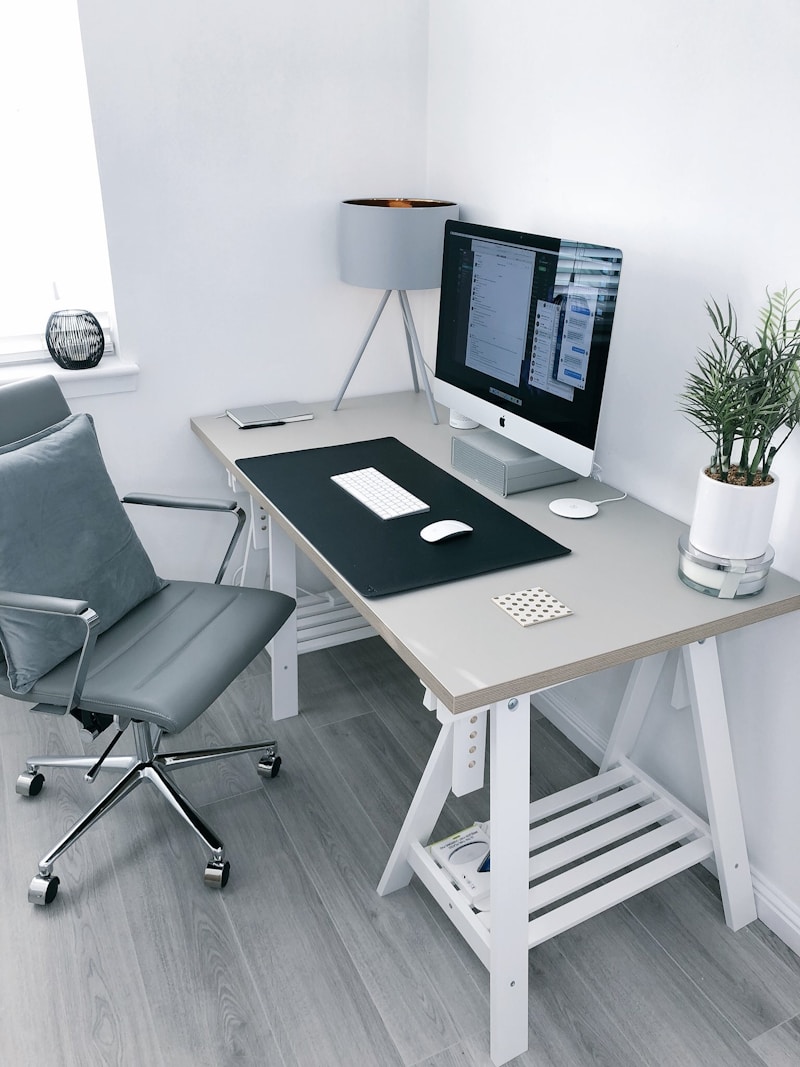
Probably should have led with this section, honestly: weight capacity matters for heavy monitor setups or multiple displays. Check specs against your actual equipment weight before purchasing. Stability at maximum height prevents the wobbling that makes standing uncomfortable.
Desktop Options
Desktop material affects appearance and durability. Bamboo offers eco-friendly appeal with natural aesthetics. Laminate provides cost-effective options in various finishes. Solid wood delivers premium appearance at premium prices—pick based on your budget and aesthetic preferences.
Size requirements depend on equipment and work style. Corner desks maximize space utilization. Standard rectangular desks fit most setups while allowing arrangement flexibility.
Accessories to Consider
Anti-fatigue mats make standing comfortable for extended periods—genuinely worth it. Cable management systems keep cords organized through position changes. Monitor arms free up desk surface while enabling proper ergonomic positioning.



Leave a Reply