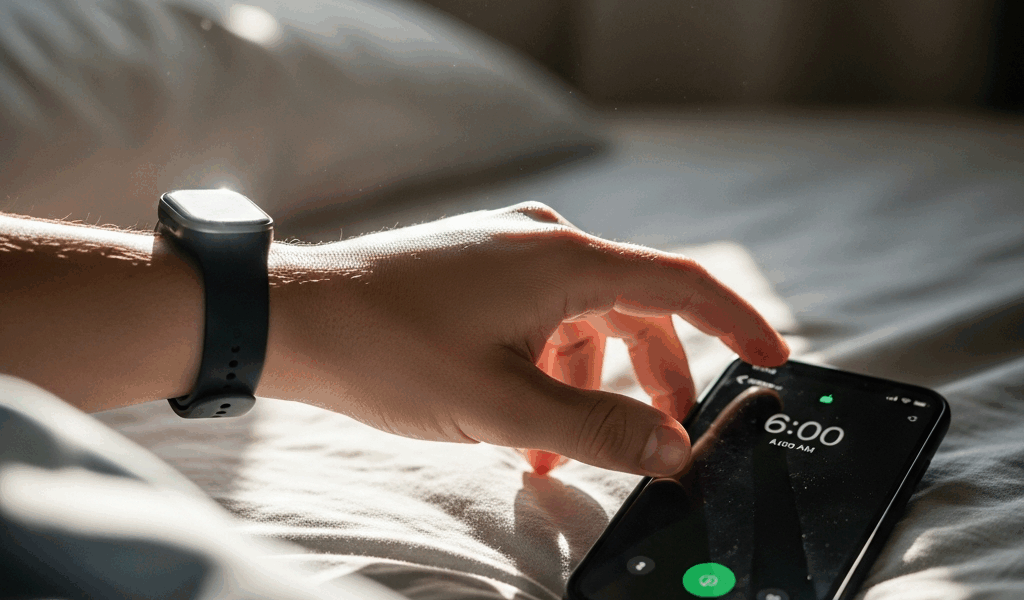
Sleep Trackers That Actually Change How You Sleep
This article includes affiliate links. We may earn a commission at no extra cost to you.
Sleep tracking has gone from a novelty feature to a legitimate health tool in a short time, and the best products now deliver data that’s clinically meaningful and actionable — not just graphs that tell you what you already knew. This guide covers what the technology actually measures, what it can and can’t tell you, and the specific products worth considering.
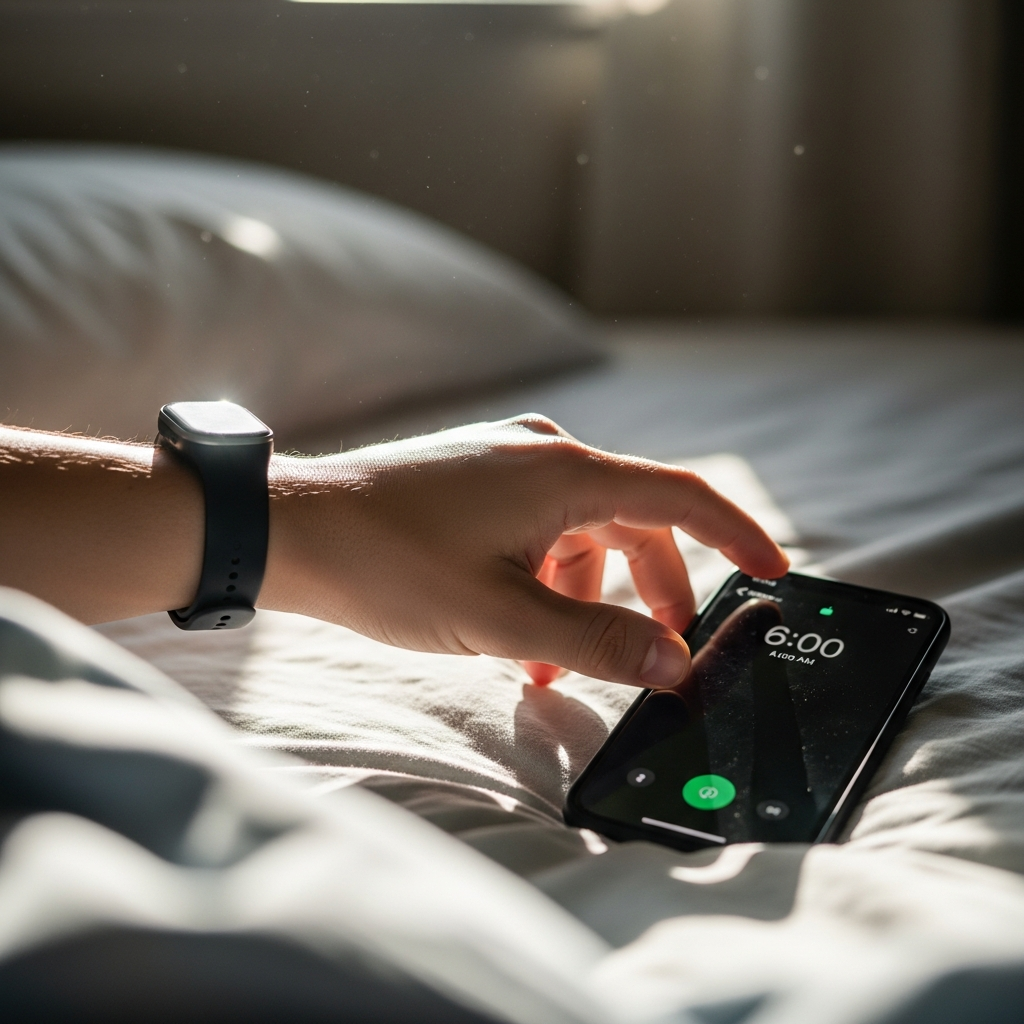
What Sleep Trackers Actually Measure
Most consumer sleep trackers use accelerometers and heart rate sensors to infer sleep stages (light, deep, REM) by correlating movement and heart rate patterns. This isn’t as accurate as a clinical sleep study, but it’s consistently accurate enough to identify trends over time and flag obvious problems. The data most useful for behavior change: total sleep time, consistency of sleep and wake times, resting heart rate during sleep, and HRV (heart rate variability) as a recovery indicator.
Wearable vs. Non-Wearable Options
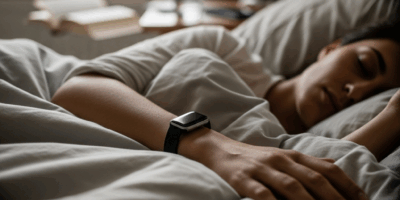
Wearables (Apple Watch, Garmin, Fitbit, Whoop): Track continuously throughout the night with wrist sensors. Accuracy is limited by sensor placement and motion during sleep. Whoop is the dedicated fitness/recovery wearable with the most detailed sleep analysis in the category. Oura Ring is the best option if you want a wearable that doesn’t look like a fitness device — the ring form factor is less intrusive than a watch and the sleep data is excellent.
Non-wearables: The Withings Sleep Analyzer goes under your mattress and tracks sleep via ballistocardiography — it detects your heartbeat and breathing from pressure changes without contact. It also detects snoring and estimates sleep apnea risk, which makes it useful for people with suspected breathing issues. No need to wear anything.
The Oura Ring Case
Oura Ring is the sleep tracker most likely to change your behavior in a meaningful way. The readiness score — combining sleep quality, HRV, and resting heart rate — gives a useful daily signal that’s easy to act on. The app is well-designed. The hardware is discrete enough to wear all day. The cost is real: $299-549 for the ring plus $5.99/month for the full app. For people who take recovery seriously, it earns the price.
What the Data Won’t Fix
A sleep tracker tells you what happened. It doesn’t fix the underlying issues. If you’re consistently getting poor sleep scores, the actionable interventions are the obvious ones: consistent sleep and wake times, cooler room temperature (65-68°F), no screens an hour before bed, limiting alcohol. The tracker makes the correlation visible — which is genuinely useful. But the work is behavioral, not technological.

Leave a Reply