Best Sleep Trackers 2026: Oura vs Apple, WHOOP and Withings

The best sleep tracker for most people is the Oura Ring 4 because it is comfortable overnight, emphasizes sleep and recovery instead of notifications, and has stronger published sleep-validation evidence than most consumer alternatives. The better choice changes if you already use an iPhone, train seriously, or refuse to wear anything in bed.

This guide is based on current manufacturer documentation and published comparisons with polysomnography—not invented hands-on testing. Consumer trackers estimate sleep from movement, heart rate and related signals. They can be useful for trends, but none replaces a clinical sleep study or diagnoses a sleep disorder.

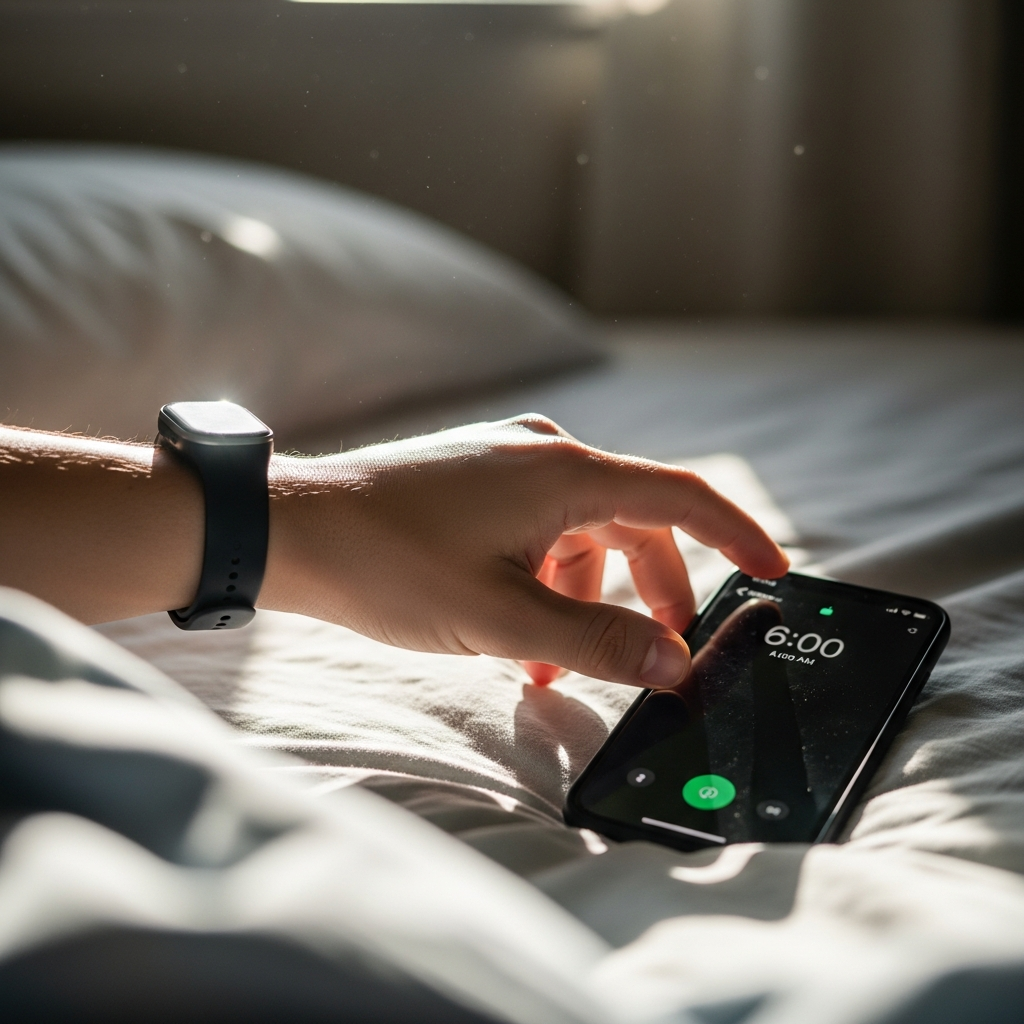
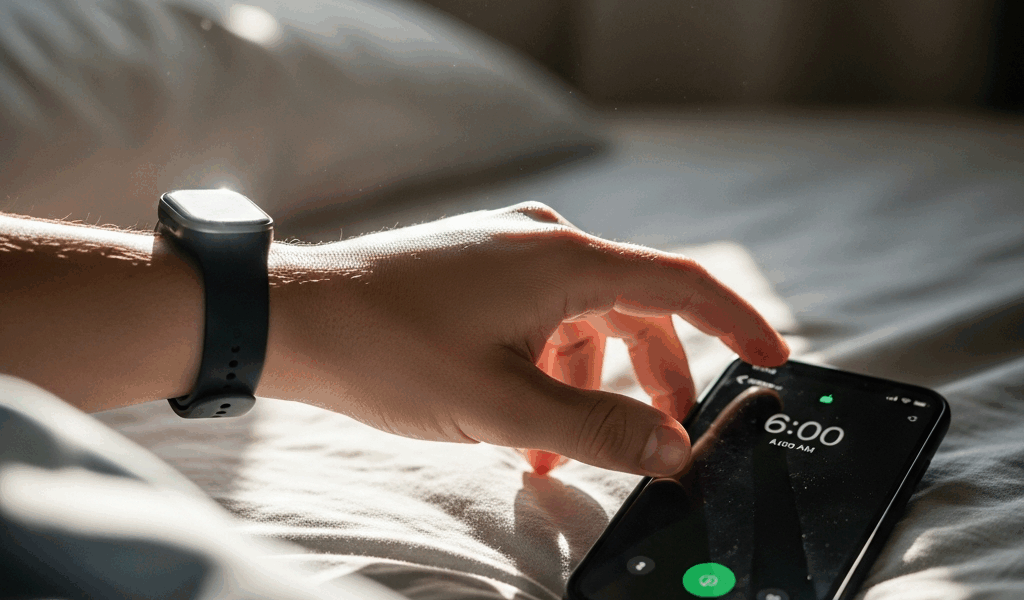
Person wearing a sleep-tracking watch while waking beside a phone alarm
A tracker is most useful when it is comfortable enough to wear consistently and turns trends into decisions.

Best sleep trackers at a glance

PickBest forFormOngoing costMain trade-off
Oura Ring 4Most people focused on sleepRing$5.99 monthly or $69.99 yearly in the U.S. after the included monthDetailed insights require membership
Apple Watch Series 11iPhone owners wanting one deviceWatchNo sleep subscription requiredDaily charging routine and iPhone-only ecosystem
WHOOP 5.0Athletes managing sleep, strain and recoveryScreenless bandAnnual membership requiredHigh recurring cost; limited value if you do not use coaching
Withings Sleep Analyzer/Sleep RxPeople who dislike wearablesUnder-mattress sensorCheck regional availability and pricingStays with one bed; U.S. consumer availability differs from other regions

How we chose these trackers

We weighted five things: overnight comfort, consistency of use, battery and charging burden, clarity of the morning report, and evidence against polysomnography—the laboratory reference standard. We also checked current product and subscription information directly with each manufacturer. We did not award points for unverified claims that a score will “improve” sleep by itself.

A prospective multicenter study of 11 consumer trackers found meaningful differences among devices and metrics. A separate meta-analysis of 24 studies concluded that wrist devices have inconsistent performance compared with polysomnography. The practical lesson is to trust multi-night trends in total sleep and timing more than one night’s exact REM or deep-sleep minutes.

1. Oura Ring 4: best sleep tracker for most people

Oura’s biggest advantage is form factor. A ring has no bright display and is generally less intrusive under blankets than a full smartwatch. Oura Ring 4 combines movement, heart-rate, heart-rate-variability, temperature and blood-oxygen signals into Sleep, Readiness and Activity scores. The app also exposes contributors such as timing, latency, restfulness and sleep regularity, which makes a low score easier to interpret.

Oura lists up to eight days of battery life, although real battery life varies with ring age, settings, feature use and fit. Current U.S. membership costs $5.99 per month or $69.99 per year after one included month. Without membership, the app is reduced primarily to the three daily scores and basic account information, so include the subscription in the ownership cost.

Published research is a reason to shortlist Oura, not a reason to treat it as a medical instrument. A 2024 study comparing Oura Gen3, Apple Watch Series 8 and Fitbit Sense 2 with polysomnography found that all three had strengths and errors across sleep stages. The current Ring 4 uses newer hardware, but buyers should not assume a validation result for Gen3 transfers perfectly to every future algorithm.

Choose Oura if: sleep and recovery are the priority, you dislike sleeping in a watch, and you will use the app often enough to justify membership. Skip it if: you want a screen, live workout metrics, or no recurring fee.

2. Apple Watch Series 11: best for iPhone owners

Apple Watch Series 11 is the simplest recommendation for an iPhone owner who wants one device for notifications, workouts, safety features and sleep. Apple introduced a sleep score in watchOS 26 based on duration, bedtime consistency and interruptions. The watch also records sleep stages, heart rate, respiratory rate and other overnight metrics supported by the user’s model and region.

Apple currently sells Series 11 from $399 in the U.S. Its advantage over Oura is breadth and the absence of a required sleep subscription. Its disadvantage is charging: successful sleep tracking requires enough charge at bedtime, so many users need a repeatable morning, shower or evening charging habit.

Supported Apple Watch models can provide sleep-apnea notifications after analyzing breathing disturbances over repeated nights. Apple explicitly says the feature is not a diagnosis, is not for people already diagnosed with sleep apnea, and may not detect every case. Availability and eligible models vary by country. A persistent symptom—loud snoring, gasping, witnessed pauses, morning headaches or severe daytime sleepiness—belongs in a conversation with a clinician regardless of the watch result.

Choose Apple Watch if: you own an iPhone, want an all-day smartwatch, and can manage frequent charging. Skip it if: sleep is your only goal or a watch feels uncomfortable overnight.

3. WHOOP 5.0: best for athletes and recovery coaching

WHOOP is built around the relationship between Sleep, Strain and Recovery rather than apps or a watch face. WHOOP 5.0 is screenless, designed for continuous wear, and the company lists 14-plus-day battery life. Its coaching is most useful for athletes willing to adjust training or bedtime based on recovery trends.

The recurring cost is the deciding factor. WHOOP’s current U.S. tiers are One, Peak and Life. Official 2026 pricing lists One at $199 annually in the U.S., Peak at $239, and Life with WHOOP MG at $359. The more expensive tiers add broader health features; buying Life solely for sleep tracking is difficult to justify.

WHOOP is not automatically “more accurate” because it produces more coaching. Its strength is turning your own longitudinal data into recovery and sleep targets. If those recommendations do not change a decision—training intensity, alcohol timing, or bedtime—the membership becomes an expensive dashboard.

Choose WHOOP if: training load and recovery are central to your week and you want active coaching. Skip it if: you mainly want sleep duration, dislike subscriptions, or want maps and a display on your wrist.

4. Withings Sleep Analyzer: best non-wearable option

Withings takes a different approach: its sensor sits under the mattress rather than on the body. That removes charging and overnight-wear discomfort. The system uses pressure changes to estimate sleep, heart rate, breathing and snoring. A bedside solution can be ideal for someone who repeatedly removes a ring or watch while asleep.

Check availability carefully. Withings markets Sleep Analyzer directly in some regions, while its U.S. site emphasizes Sleep Rx through healthcare organizations. Product names, apnea-related claims and regulatory status differ by market. It also stays with one mattress, so it is less useful for frequent travelers or people who alternate beds.

Choose Withings if: you want automatic tracking without wearing or charging a device. Skip it if: you travel frequently, share or change sleeping positions unpredictably, or want daytime fitness data.

What is the most accurate sleep tracker?

There is no honest universal winner for every person and every metric. Accuracy changes depending on whether you mean bedtime, total sleep time, wake after sleep onset, or individual sleep stages. Fit, skin contact, movement, health conditions and algorithm updates also matter.

In a prospective study of 75 participants, consumer devices varied considerably when compared with polysomnography. Another controlled study of Oura Gen3, Fitbit Sense 2 and Apple Watch Series 8 found each device could estimate useful aspects of sleep but none reproduced a sleep lab perfectly. That supports using a tracker as a trend tool—not treating “43 minutes of deep sleep” as a clinical measurement.

How to choose the right device

  1. Start with comfort: the most sophisticated tracker is useless on the nightstand.
  2. Choose an ecosystem: Apple Watch requires an iPhone; Oura supports iOS and Android; WHOOP is subscription-first.
  3. Calculate two-year cost: include memberships, replacement bands and chargers—not just hardware.
  4. Prefer trends: compare several weeks of bedtime, wake time and total sleep rather than one stage estimate.
  5. Decide what action follows: a tracker should help change bedtime consistency, training or recovery—not merely create anxiety.

Can a sleep tracker diagnose sleep apnea?

No consumer tracker should be treated as a stand-alone diagnosis. Some regulated features can flag patterns associated with possible sleep apnea, but a notification is a reason to seek medical evaluation, and no notification does not rule apnea out. Diagnosis commonly requires an appropriate clinical assessment and sleep testing.

Final recommendation

Buy Oura Ring 4 if sleep is the priority and the membership is acceptable. Buy Apple Watch Series 11 if you already use an iPhone and want one multipurpose device. Choose WHOOP 5.0 for training and recovery coaching, not merely a nightly score. Choose Withings only after confirming the exact product available in your country and if not wearing a device is your top requirement.

Sources

Jason Michael

Jason Michael

Author & Expert

Jason Michael is the editor of GetBest AI. Articles on the site are researched, fact-checked, and reviewed by the editorial team before publication. Read our editorial standards or send a correction at the editorial policy page.

67 Articles
View All Posts

Leave a Reply

Your email address will not be published. Required fields are marked *

Stay in the loop

Get the latest updates delivered to your inbox.