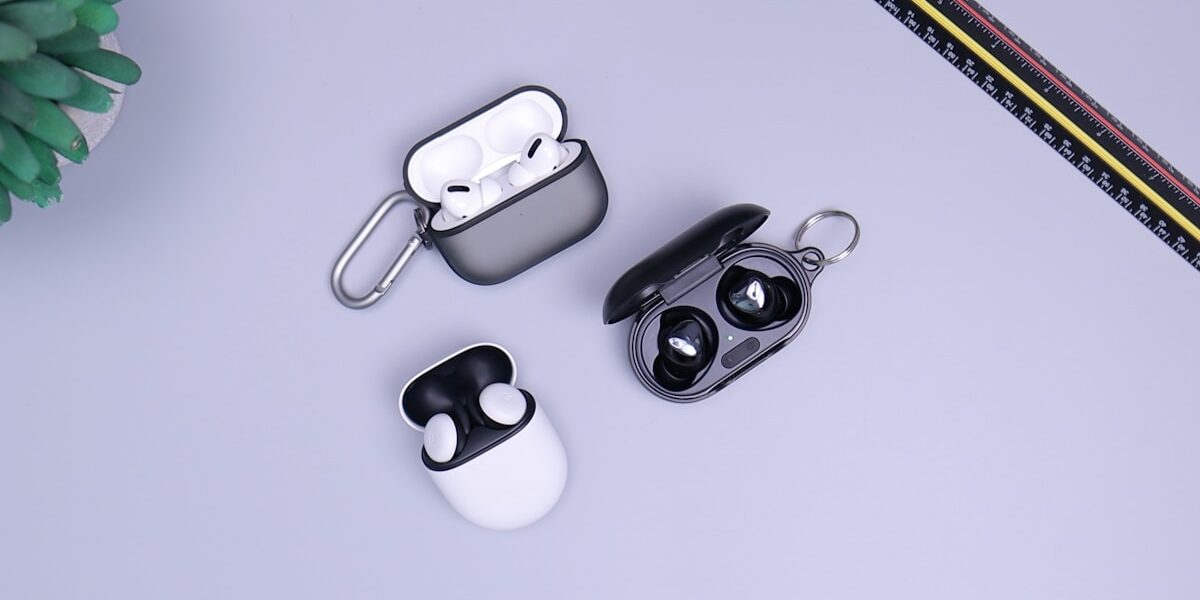
True wireless earbuds keep getting worse, not better with all the ANC levels and codec support flying around. As someone who tested probably twenty different pairs over the past three years, I learned everything there is to know about what actually matters for different use cases. Today, I will share it all with you.
Premium Options
Apple AirPods Pro continue dominating the premium segment with seamless Apple integration and excellent ANC. That’s what makes them endearing to us iPhone users—they just work. Sony WF-1000XM5 offer arguably better sound quality and noise cancellation for those willing to sacrifice Apple ecosystem perks.
Samsung Galaxy Buds compete strongly within Android land. Fit and sound quality satisfy most users while maintaining competitive pricing against Apple.
Value Champions
Okay, here’s the thing nobody tells you. Exceptional earbuds no longer require premium pricing. Brands like Soundcore, JBL, and even Amazon have released budget options that punch far above their price point. The gap between budget and premium has narrowed considerably.
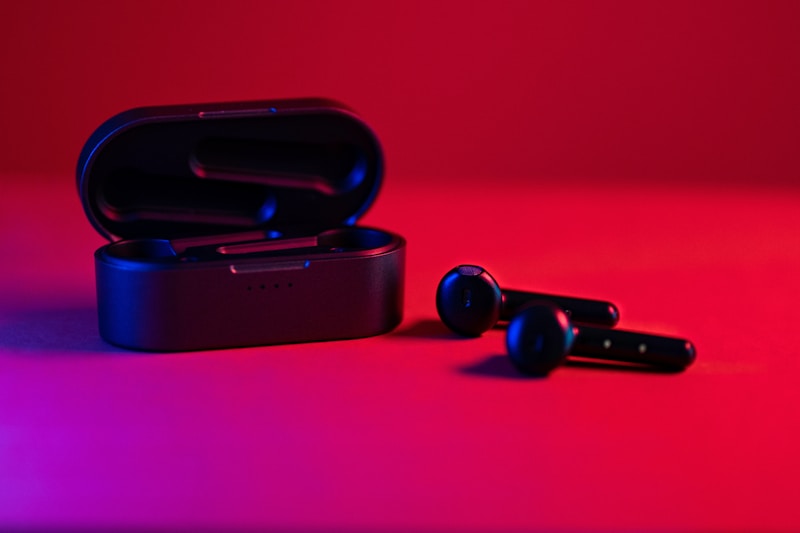
Features once exclusive to flagships now appear in mid-range options. Active noise cancellation, wireless charging cases, and multipoint connectivity have become standard across price tiers.
Fit Considerations
Ear shape varies dramatically between individuals. The perfect earbuds for one person may literally fall out of another’s ears. Multiple tip sizes help, but some designs simply fit certain ears better. Try before you commit if possible.
Workout earbuds add sweat and water resistance along with secure fit during movement. Running earbuds often include ambient sound modes for safety during outdoor exercise.
Battery Life
Case capacity matters as much as earbud battery. Most earbuds provide four to eight hours per charge with cases adding multiple additional charges. Quick charging features provide significant playback from brief charging sessions—a lifesaver when you forgot to charge.


Leave a Reply